Why Effective Private Security Is Designed to Be Unnoticed – The Role of Discretion in High-End Protection
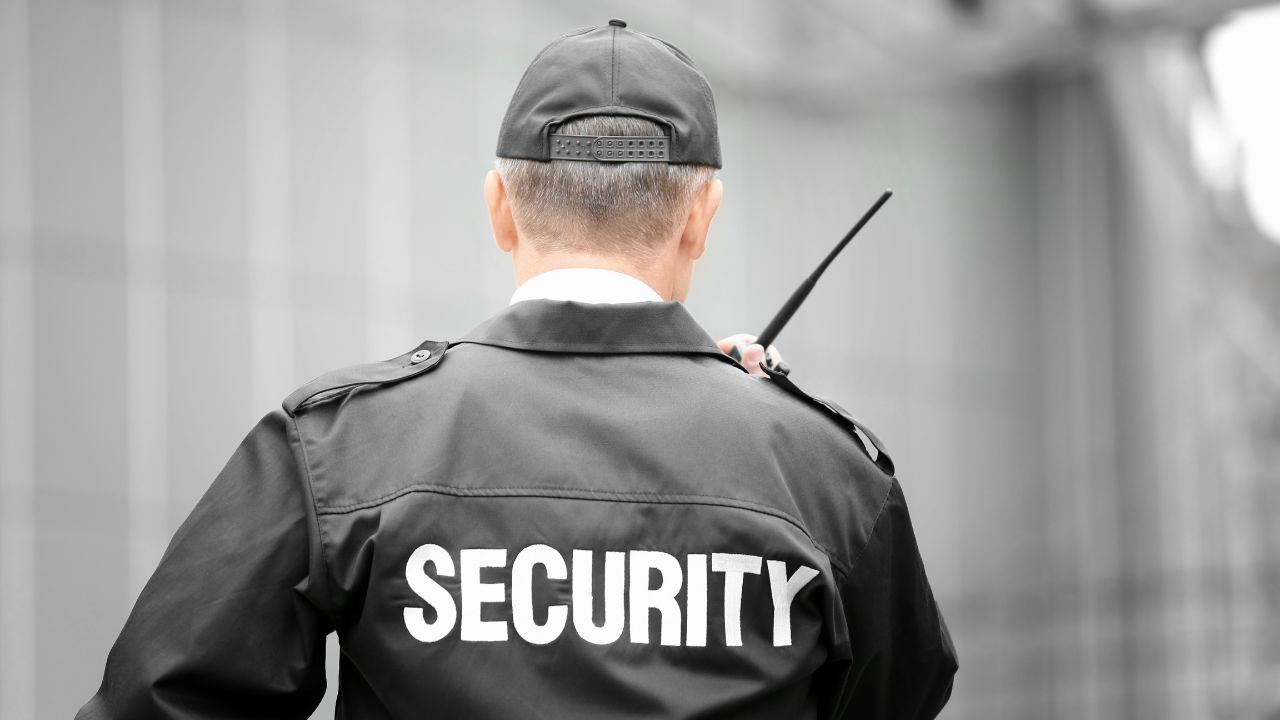
In Japan, strength is often expressed through restraint. Authority does not need to be loud to be understood. The same principle applies to elite private security.
There is a persistent misconception that effective protection must appear imposing — visible formations, close physical proximity, and overt displays of control. While such measures may be appropriate in certain high-threat environments, in sophisticated settings they can produce the opposite of the intended effect. In business districts such as Marunouchi, refined hospitality venues in Ginza, or private gatherings in Azabu and Hiroo, conspicuous security can elevate profile rather than reduce it.
Discretion preserves dignity. High-net-worth individuals attending board meetings in Tokyo, family ceremonies in Kyoto, or cultural engagements in Osaka require protection that supports their presence rather than dominates it. The objective is stability — not spectacle.
Agents operating in Japan must possess more than technical training. They must understand local etiquette, spatial awareness, and the subtleties of social hierarchy. Standing too close during a meeting, positioning improperly in a restaurant, or interrupting formal introductions can create discomfort. Protection that disrupts atmosphere undermines the very confidence it is meant to provide.
In refined environments, effectiveness lies in controlled positioning, calibrated distance, and situational awareness that remains perceptive without being intrusive.
The majority of sophisticated protection work occurs long before the client arrives. Advance site surveys of corporate offices in Otemachi, coordinated arrival procedures at private residences in Minato-ku, route planning between Narita or Haneda and central Tokyo, and communication with hotel management or event organizers are all conducted discreetly in advance.
When intelligence is thorough, the environment feels calm. There are no abrupt changes in pace, no unnecessary delays, no visible tension. Movements appear natural because they have been structured carefully behind the scenes.
Discretion also reflects respect — for clients, for hosts, and for the cultural context. In Japan especially, understated professionalism signals competence. Overly aggressive security posture may create discomfort among business counterparts or event attendees. The most effective executive protection in Japan aligns with local expectations of composure and quiet authority.
This principle extends beyond meetings and events. Airport transitions, Shinkansen travel, and intercity movement require structured planning that remains invisible to surrounding passengers. Agents must blend into the environment while maintaining full situational awareness. The client’s experience should feel fluid, not controlled.
Technology supports discretion, but does not replace it. Secure communications, advance intelligence reviews, and coordinated oversight ensure preparedness without attracting attention. The presence of security should not alter the energy of a room.
Clients often describe the highest standard of protection as something they barely notice — yet instinctively trust. That trust is built through consistency, anticipation, and quiet control of variables.
In a global city such as Tokyo, where business, diplomacy, and culture intersect, executive protection must operate with nuance. It must accommodate corporate negotiations in Nihonbashi, philanthropic events in Roppongi, and private family moments without drawing focus away from the purpose of the engagement.
For individuals requiring executive protection in Tokyo, Osaka, or during international travel to and from Japan, structured planning, cultural fluency, and disciplined operational oversight form the foundation of truly effective security — protection that integrates seamlessly and allows life and business to proceed uninterrupted.