Is Your Protection Team Stuck in the Past? Why Drones, AI, and Protective Intelligence Are Now Mandatory in California
California’s threat environment has changed faster than many protection programs. Organized burglary crews case luxury neighborhoods for weeks, then strike with speed. Stalkers use consumer drones and online tools to track movement. Insider leaks travel from a staff text thread to the internet in minutes.
In this operating picture, static guards and analog cameras are not enough. Modern protection requires three force multipliers working together:
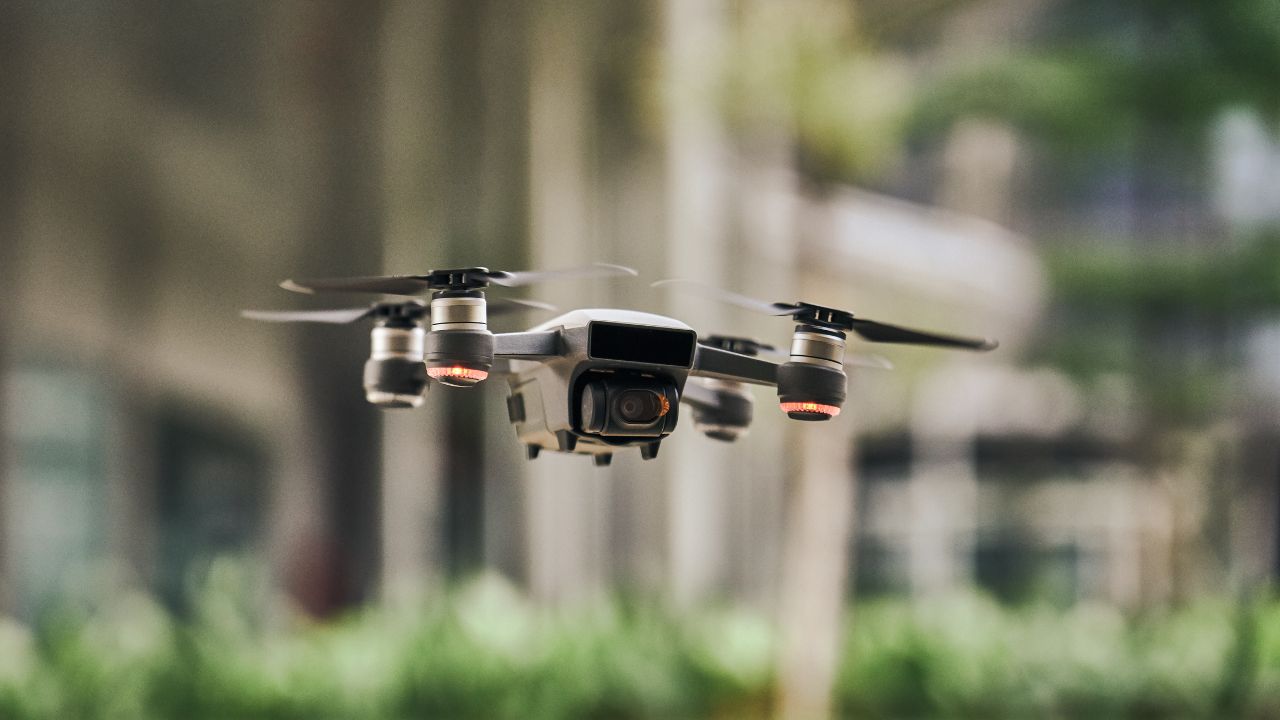
Drones extend the security perimeter. They launch quickly, see over walls, and reveal behavior that fixed sensors miss. During events, they watch approaches and parking patterns; at night, they scan for heat signatures along fence lines; during alarms, they verify what triggered the alert before personnel approach. The value is time and clarity—a team that knows what is happening can act precisely and avoid both overreaction and blind spots.
AI turns video and access‑control data into usable signals. Properly tuned analytics recognize loitering near gates, repeated vehicle passes, and after‑hours motion at rarely used doors. License‑plate recognition helps track vehicles that appear across days in the same vicinity. The aim is not surveillance for its own sake; it is to elevate the few moments that warrant human attention and to document them for action. When AI is integrated into a security operations center, every shift begins with context, not guesswork.
Protective intelligence closes the loop. It monitors online mentions, protest activity, and doxxing attempts; it alerts the team when interest escalates from generic to specific. Intelligence informs advances, staffing levels, and coordination with law enforcement. When a risk rises, we shift posture—patrol frequency, arrival staging, and family movement—until indicators return to baseline. When nothing is brewing, we keep the footprint light, because great protection should never feel like a production.
Upgrading a program is less about gadgets and more about mindset. We evaluate how decisions are made, how information flows, and how results are measured. We replace “we’ve always done it this way” with a cycle of assess, implement, test, and refine. We train agents for today’s threats: communication that is crisp, de‑escalation that is respectful and firm, and coordination that keeps the principal moving. We select leaders who can brief a principal in thirty seconds and coordinate a multi‑agency response when necessary.
Why “mandatory” for California? Because the state concentrates visibility—media, entertainment, tech wealth, events—and visibility concentrates risk.
The most efficient way to keep daily life normal is to:
Drones, AI, and protective intelligence make that possible. WPG integrates all three into a coherent system delivered by experienced people. If your current protection still looks like last decade’s playbook, you are paying for presence without buying prevention. The fix is straightforward: modernize the tools, sharpen the process, and put your family back at the center of the plan, where they belong.